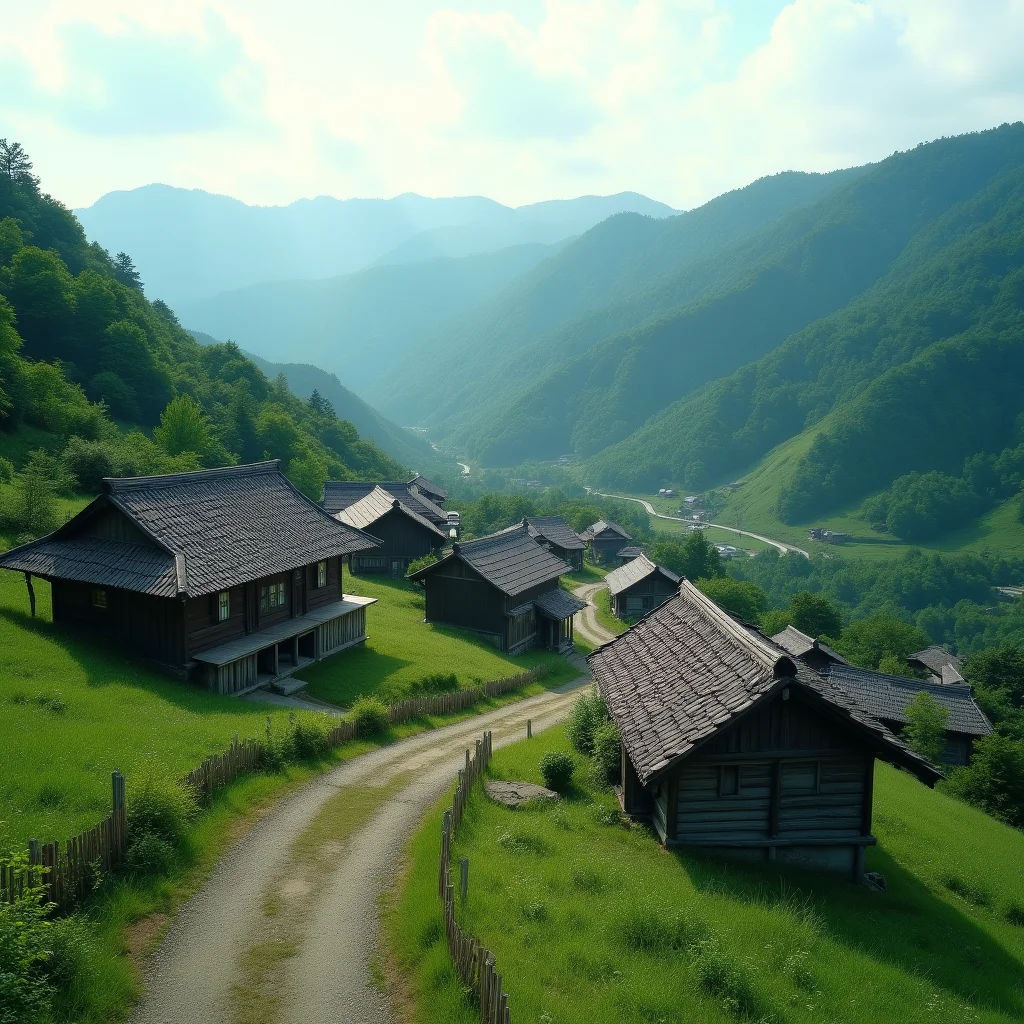
As of May 2026, Japan faces a growing crisis of abandoned homes across its shrinking rural towns and aging suburban districts, fundamentally reshaping the country's property market structure. According to World Property Journal, these abandoned properties—known locally as "akiya"—are forcing policymakers, banks, developers, and local governments to confront the unintended consequences of demographic decline. The phenomenon represents a structural challenge for the world's third-largest economy as entire neighborhoods gradually hollow out.
The Emergence of Japan's Property Abandonment Crisis
The abandoned property phenomenon has evolved from isolated rural occurrences into a broader structural challenge affecting vast regions of Japan. In many prefectures, entire neighborhoods are experiencing systematic population decline as elderly homeowners die and younger heirs decline to occupy or maintain inherited properties. What began as scattered vacant homes has transformed into a systematic pattern of property abandonment that municipalities can no longer ignore.
The crisis extends beyond simple vacancy rates. These properties represent a fundamental shift in how Japanese society views residential real estate ownership and inheritance. The traditional model of passing family homes through generations has broken down as economic realities make property maintenance financially unviable for many inheritors. Local governments report increasing numbers of properties entering abandonment cycles, with no clear resolution mechanisms in place.
Demographic Forces Driving Property Abandonment
Japan's demographic transformation sits at the core of the property abandonment crisis. Younger generations have migrated toward employment hubs, leaving behind aging parents and family homes that often carry more emotional attachment than financial value. When these properties pass through inheritance, heirs frequently discover the economics no longer support ownership. Many older homes require extensive renovations to meet modern earthquake standards or energy-efficiency expectations.
The financial burden extends beyond renovation costs. Annual maintenance expenses, property taxes, insurance requirements, and legal complexities surrounding inherited ownership can quickly exceed the market value of the structure itself. In many rural regions, homes are effectively worth less than the demolition costs required to clear the land. This economic reality creates a systematic disincentive for property inheritance, accelerating the abandonment cycle across affected regions.
Impact on Local Communities and Regional Economies
The growing inventory of neglected properties has created multiple challenges for local governments and surrounding property owners. Vacant homes become associated with collapsing roofs, overgrown vegetation, fire hazards, and declining neighborhood aesthetics, placing systematic downward pressure on surrounding property values. Municipalities report spending increasing resources monitoring deteriorating structures and, in severe cases, subsidizing demolitions to prevent public safety hazards.
The phenomenon is exposing widening regional disparities within Japan's housing market. While certain metropolitan areas maintain property demand and price stability, large portions of regional Japan face chronic oversupply and weakening demand. This creates a two-tier property market where location determines whether real estate functions as an asset or liability. The divide has implications for regional economic development and population retention strategies.
Government and Municipal Response Strategies
Some municipalities have implemented innovative approaches to address property abandonment through "akiya banks"—publicly searchable databases of abandoned homes offered at heavily discounted prices. These platforms list properties for significantly reduced amounts, with certain structures available for minimal purchase prices in exchange for renovation commitments. The strategy attempts to match abandoned properties with buyers willing to invest in restoration and occupancy.
In extreme cases, local governments and private owners have transferred homes at virtually no cost in exchange for commitments to renovate or occupy the property. These programs represent policy experimentation as municipalities seek solutions to growing inventories of abandoned structures. However, the success of such initiatives remains limited by the fundamental economic challenges that created the abandonment pattern initially.
Financial Sector and Development Industry Implications
The abandoned property crisis is altering assumptions about Japanese real estate valuation and investment strategies. Unlike many Western markets where homes function as appreciating family assets, Japanese residential structures historically depreciate rapidly, with buyers traditionally placing greater value on land than aging buildings. Demographic contraction is accelerating this trend outside major urban corridors, forcing financial institutions to reassess lending practices in affected regions.
Financial institutions face increasing questions about long-term collateral quality in depopulating regions as rural property values stagnate or decline. Developers are responding by redirecting investment toward dense urban redevelopment projects rather than new suburban expansion. This shift in development patterns reinforces the concentration of economic activity in metropolitan areas while further isolating regional markets from new investment flows.
The abandoned property crisis represents a fundamental shift in how Japanese society approaches residential real estate, moving from a model of generational property transfer to systematic abandonment in economically challenged regions.
Background: Understanding Japan's Real Estate Dynamics
Japan's property market operates under different assumptions than many international markets, with residential structures depreciating rather than appreciating over time. This unique approach to real estate valuation has created vulnerability to demographic shifts that other markets might absorb differently. The current abandonment crisis reflects these structural characteristics interacting with unprecedented population decline.
International Lessons and Market Implications
Japan's abandoned property crisis provides important insights for international investors evaluating markets with similar demographic profiles or urbanization trends. The phenomenon demonstrates how demographic transitions can fundamentally alter property market dynamics, transforming real estate from assets into liabilities in affected regions. Understanding these structural shifts becomes essential for long-term investment planning and risk assessment in markets experiencing population decline or rapid urbanization.
For global property markets, Japan's experience illustrates the importance of demographic analysis in real estate investment decisions. Markets facing similar population dynamics may experience comparable challenges, making Japan's policy responses and market adaptations relevant case studies for international property professionals. The crisis highlights how demographic change can override traditional property market assumptions about value retention and investment performance.
Moving forward, Japan's abandoned property challenge will likely require coordinated policy responses addressing both immediate municipal burdens and longer-term demographic realities. The resolution of this crisis may establish new models for managing property markets during demographic contraction, offering lessons for other developed economies facing similar transitions. International investors should monitor these developments as potential indicators of market evolution in demographically challenged regions globally.