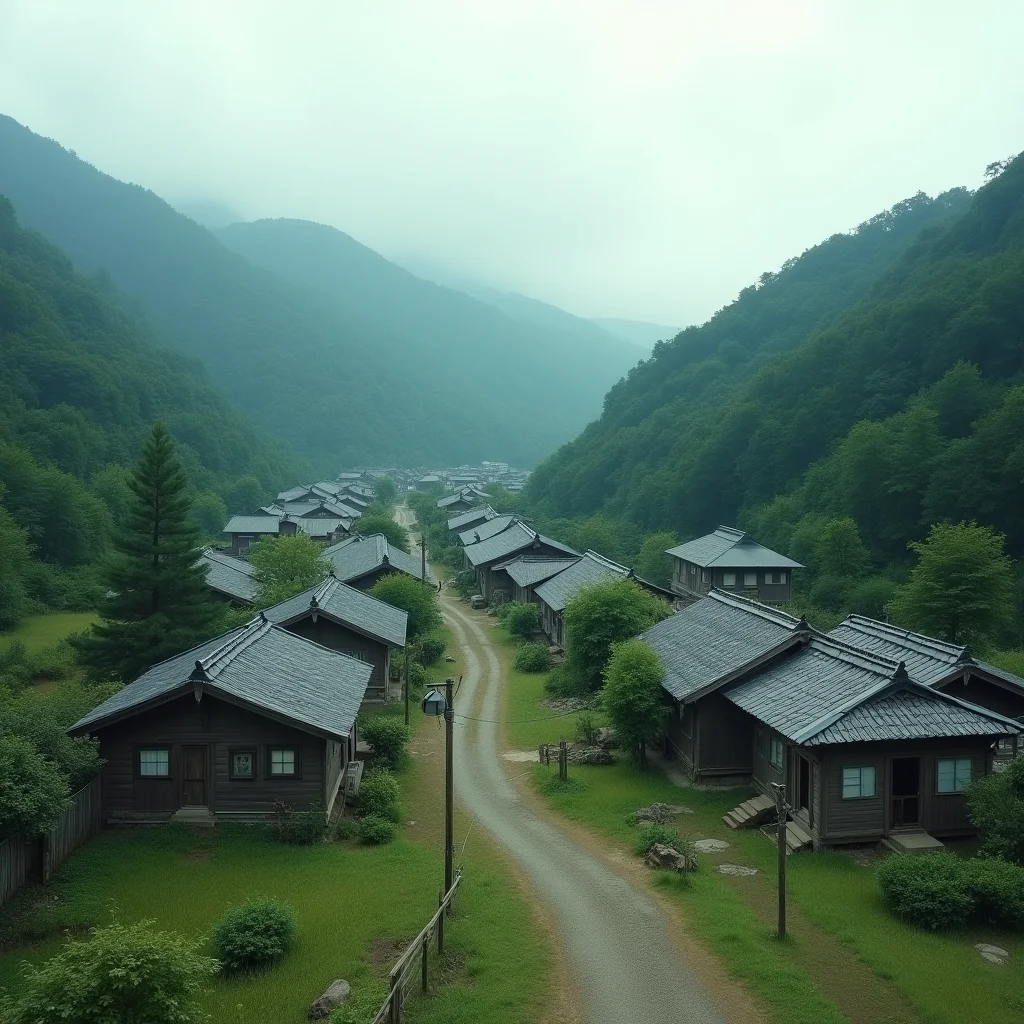
As of May 2026, abandoned homes across Japan's shrinking rural towns and aging suburban districts are quietly reshaping the country's property market, forcing policymakers, banks, developers, and local governments to confront the unintended consequences of demographic decline. According to World Property Journal, these abandoned properties present unprecedented challenges for Japan's financial sector and local governments. The crisis has reached critical proportions, fundamentally altering property valuations and economic stability in affected regions.
Geographic Spread of Japan's Akiya Crisis
The abandoned properties, known locally as "akiya," represent more than just empty buildings—they signal a fundamental shift in Japan's economic structure. These properties are spread across rural prefectures and aging suburban districts where populations have declined significantly. Unlike urban abandonment seen in other developed nations, Japan's crisis spans entire municipalities where schools, hospitals, and commercial centers have closed alongside residential properties.
For decades, Japan's population decline and rapid urbanization have concentrated economic opportunity in major metropolitan centers, while smaller regional cities and villages steadily lost residents. The economic impact extends beyond real estate, with local tax revenues declining and infrastructure maintenance costs becoming challenging for remaining residents. The crisis differs markedly from temporary abandonment cycles seen in other markets. Japan's demographic projections suggest the problem will intensify over the next decade, with rural population decline accelerating rather than stabilizing.
This creates a feedback loop where property values approach zero, making renovation or demolition economically unviable for remaining owners. The abandonment pattern extends beyond remote rural areas, now affecting suburban districts around major urban centers where aging populations create similar challenges.
Financial Sector Response and Banking Challenges
Japanese banks face mounting pressure as abandoned properties create unprecedented challenges for traditional lending models. Traditional property valuation models break down when entire neighborhoods become uninhabitable, leaving financial institutions with collateral worth less than demolition costs. As rural property values stagnate or decline, lenders face increasing questions about long-term collateral quality in depopulating regions.
Some municipalities have responded by creating "akiya banks," publicly searchable databases of abandoned homes offered at heavily discounted prices. These initiatives represent attempts to match properties with potential buyers willing to undertake renovation or occupation commitments. In extreme cases, local governments and private owners have transferred homes at virtually no cost in exchange for commitments to renovate or occupy the property.
Credit availability in affected regions has contracted as financial institutions become more cautious about lending in areas with demographic decline. This creates additional economic stress for remaining residents and businesses, accelerating the cycle of abandonment and economic decline. The banking sector's response reflects broader concerns about rural Japan's economic viability.
Government Policy Responses and Economic Implications
The Japanese government has implemented several programs to address the akiya crisis, but the scale of the problem outpaces policy responses. Municipalities are spending increasing resources monitoring deteriorating structures and, in some cases, subsidizing demolitions. Vacant homes have become associated with collapsing roofs, overgrown vegetation, fire hazards, and declining neighborhood aesthetics, placing downward pressure on surrounding property values.
National policy makers face difficult choices between supporting declining rural areas and concentrating resources in viable urban centers. The economic implications extend beyond real estate into Japan's broader fiscal challenges, as declining property values reduce local tax revenues precisely when aging infrastructure requires increased maintenance spending. Local governments struggle to balance limited budgets while addressing the growing costs associated with abandoned property management.
Some regions have introduced incentive programs aimed at attracting new residents to abandoned properties, but these efforts face significant challenges in markets with limited employment opportunities and declining populations. The policy response highlights the complexity of addressing demographic decline through real estate interventions alone.
International Property Market Context
Japan's abandoned property crisis contrasts sharply with property markets in other developed nations experiencing different demographic patterns. While many European markets show resilience through foreign investment and immigration, Japan's domestic-focused market faces unique challenges from sustained population decline. The crisis offers important lessons for international property investors evaluating markets with aging populations.
Japan's akiya crisis demonstrates how demographic decline can fundamentally alter property market dynamics, creating conditions where traditional valuation models become inadequate and entire regions face economic restructuring challenges.
Background: Understanding Japan's Property Market Structure
Japan's property market operates under unique conditions that differentiate it from international markets. Unlike markets with strong foreign investment components such as those detailed in our Turkey Property Guide, Japan's domestic focus and demographic decline create distinct challenges. The country's post-war development patterns concentrated growth in urban corridors while rural areas remained dependent on traditional industries and agriculture.
The akiya phenomenon emerged gradually, initially concentrated in the most remote rural areas but now spreading to suburban districts around major cities. Unlike in many Western markets where homes are often viewed as appreciating family assets, Japanese residential structures historically depreciate rapidly, with buyers placing greater value on land than on aging buildings. This cultural and economic approach to property ownership contributes to the current crisis dynamics.
Future Outlook and Investment Implications
The abandoned property crisis will likely intensify over the next decade as Japan's aging population creates additional abandonments. This creates both challenges and opportunities for international investors willing to engage with Japan's unique market conditions. Urban property markets in major centers continue to show resilience despite the rural crisis, though suburban areas around these cities increasingly face abandonment pressures as aging owners pass away and younger generations remain concentrated in city centers.
International investors should carefully evaluate location-specific demographic trends when considering Japanese property investments, as the abandonment crisis demonstrates how quickly property values can decline in affected areas. The crisis also highlights the importance of understanding local demographic patterns and government policy responses when evaluating long-term property investment strategies in developed nations facing population decline. For investors accustomed to markets with consistent appreciation, Japan's experience provides crucial insights into how demographic factors can override traditional property market fundamentals.